Custom Tissue Paper for Shoe and Footwear Packaging
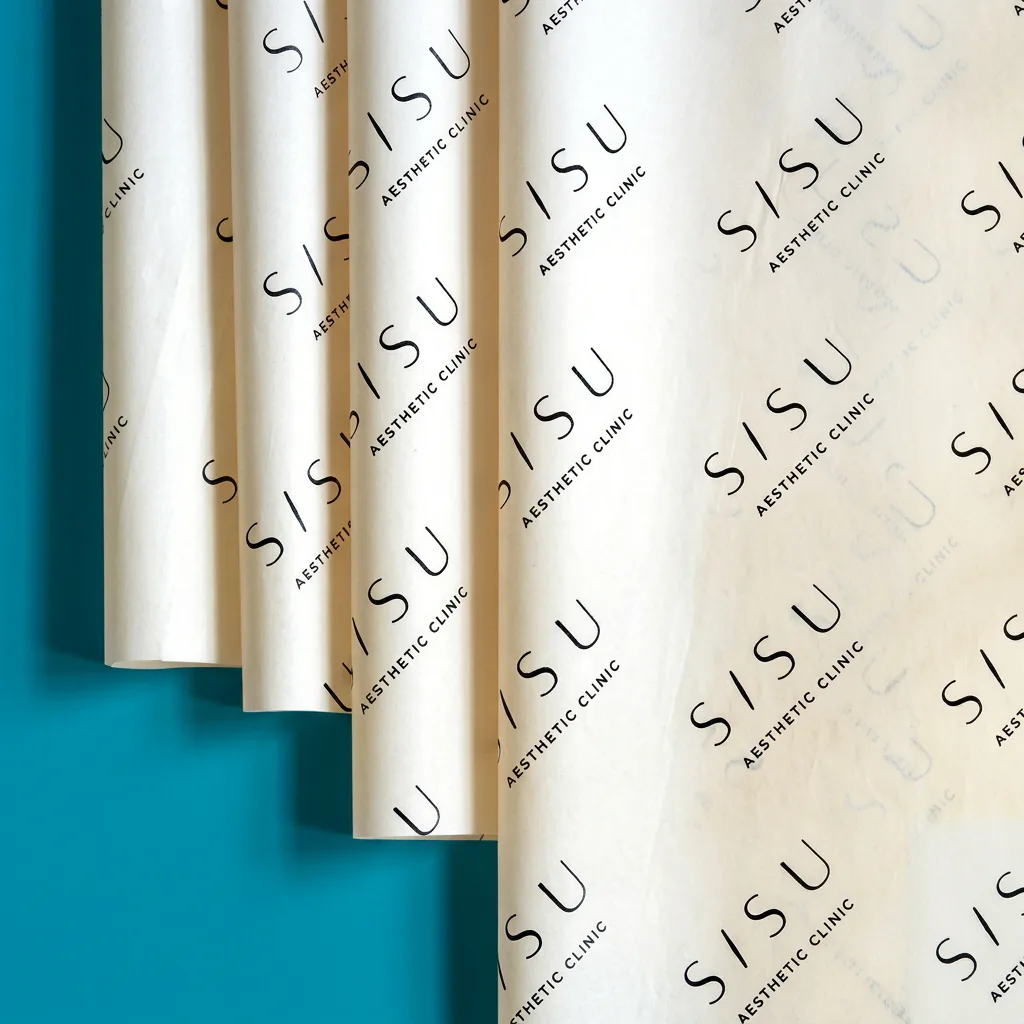
Custom tissue paper can give a shoe box a recognisable first opening while keeping the pair neatly presented. For footwear retailers, the important decisions are how the sheet fits the box, where printed paper touches the shoes and whether the packing method remains practical across the size range.
Start with the footwear and its existing packaging requirements. Printed tissue is a presentation layer; it does not automatically replace the materials used to support shoe shape, separate delicate finishes or protect a box during delivery.
Choose the tissue's job before choosing its size
There are three useful arrangements for a shoe box:
- Box liner: tissue sits beneath the pair and folds over the top. This creates a branded opening with relatively little handling.
- Individual wraps: each shoe has its own wrap. This may help keep the pair organised, but requires more sheets and packing time.
- Top sheet: a branded sheet covers shoes already packed in suitable protective materials. This can add identity while retaining an established product-contact layer.
Test the selected layout with your own shoes and boxes before ordering. A photograph of printed tissue shows a design approach; the packing trial establishes whether your chosen specification works for the footwear.
Measure the smallest and largest boxes
Footwear boxes vary with shoe size and style. Trainers, sandals and ankle boots should not automatically share one tissue specification just because they belong to the same brand.
Measure the internal length, width and depth of each representative box. For a liner that comes up both side walls and folds across the top, a useful starting measurement in the wrapping direction is:
Twice the internal box width + twice its depth + your chosen overlap.
For an illustrative box 200mm wide and 110mm deep, with 40mm overlap, that direction needs about 660mm of paper. This is a starting estimate for that fold, not a universal footwear size. The sheet's other dimension must also cover the box length and any end folds you choose.
Cut a paper template and pack the actual pair. Check that the tissue closes without stretching across the footwear or bunching under the lid. See the sheet size guide for available dimensions and measuring advice.
Keep product-contact decisions separate from branding
A printed sheet may sit against leather, suede, textiles, synthetic coatings, hardware or a light-coloured sole. Those surfaces can behave differently. Follow the footwear manufacturer's packing requirements and ask the tissue supplier about the intended contact before changing materials.
Do not assume that “acid-free” means anti-scuff, moisture-proof or suitable for every finish. Nor does it establish that the ink and paper combination is appropriate for prolonged contact. Our acid-free tissue guide explains the distinction.
Where a product already needs a specified unprinted interleaf or protective bag, retain that layer unless its replacement has been assessed. A branded top sheet or outer wrap can provide the visual identity without changing the material immediately against the shoe.
Compare weight through packing trials
Big Tissue's online range includes 17gsm and 30gsm tissue. A lighter sheet may be easier to gather around irregular shapes, while a heavier sheet may give the presentation more body. Neither weight alone establishes rub resistance or suitability for a particular shoe finish.
Try both in the proposed fold. Check the bulk at the heel, toe and box corners, and whether opening the sheet causes an awkward tear. Record how many sheets the pack uses: changing the layout may affect consumption more than changing weight.
For ecommerce orders, check the complete dispatch packaging separately. Printed tissue does not prevent a shoe box being crushed, or stop loose hardware from pressing against the other shoe.
Design the logo for the opening view
A repeat pattern is usually more forgiving than a single centred logo when several box sizes use the same sheet. Fold a layout around the real pair and look at what is visible when the lid opens.
Check that at least one mark is recognisable, that the pattern is not visually crowded and that important text is not hidden beneath the fold. If the retail identity includes a product name that changes frequently, consider keeping the tissue design more general so remaining sheets can be used across the range.
Our logo repeat guide covers scale and spacing. Avoid relying on print alignment at one exact cut position unless that requirement has been discussed and confirmed.
Give shop staff a repeatable packing method
Keep a reference photograph at the packing area showing pair orientation, sheet placement and the final fold. Label tissue stock by size so the team can select it quickly during busy periods.
Run a short trial using several footwear sizes and more than one packer. Note extra sheets, awkward lid closure, tears and the time taken. Use those observations to choose between one shared sheet size and separate specifications for different footwear groups.
Footwear tissue paper questions
What size tissue paper fits a shoe box?
There is no single size for every shoe box. Measure its internal dimensions, choose a liner or wrap and test a full-size template with the actual pair.
Can branded tissue be used for suede or white trainers?
Confirm the material and ink suitability for the specific product and expected storage conditions. Retain any required protective contact layer while evaluating the branded presentation layer.
How should I order a first run?
Start with the box measurements, packing method, quantity and logo artwork. Request a footwear packaging quote, including any product-contact requirements, or use the online builder once your specification is settled.